Cempasúchil, a flower full of tradition
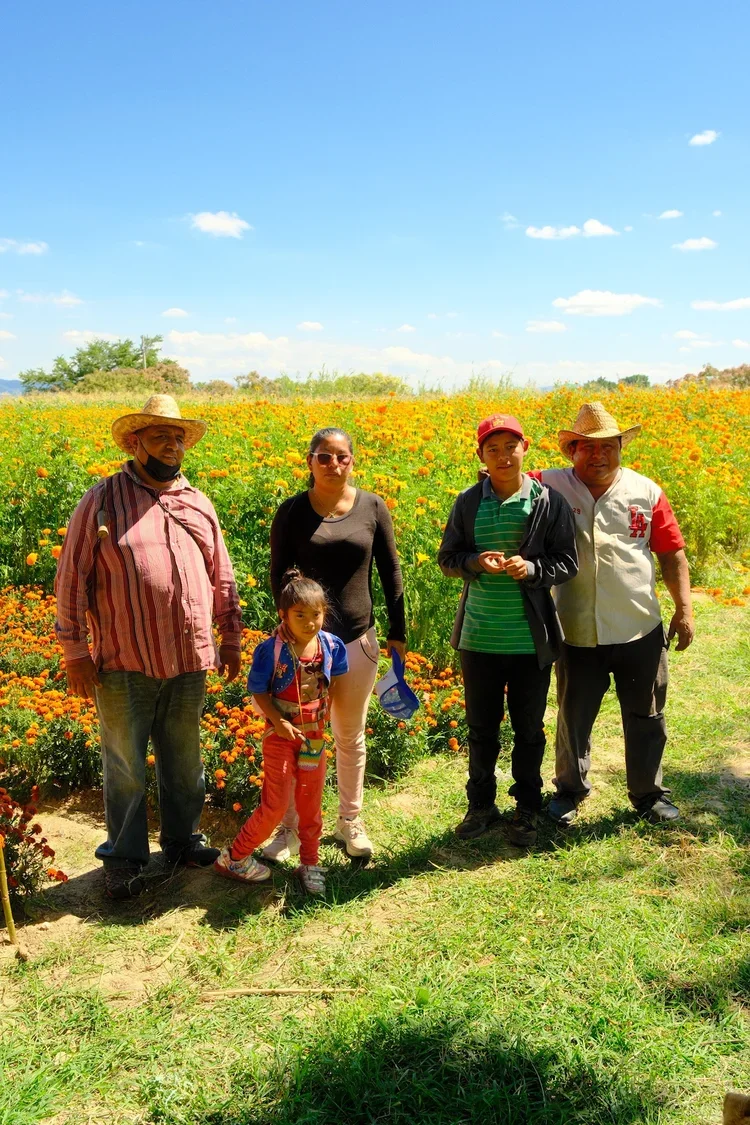
Líder and his family
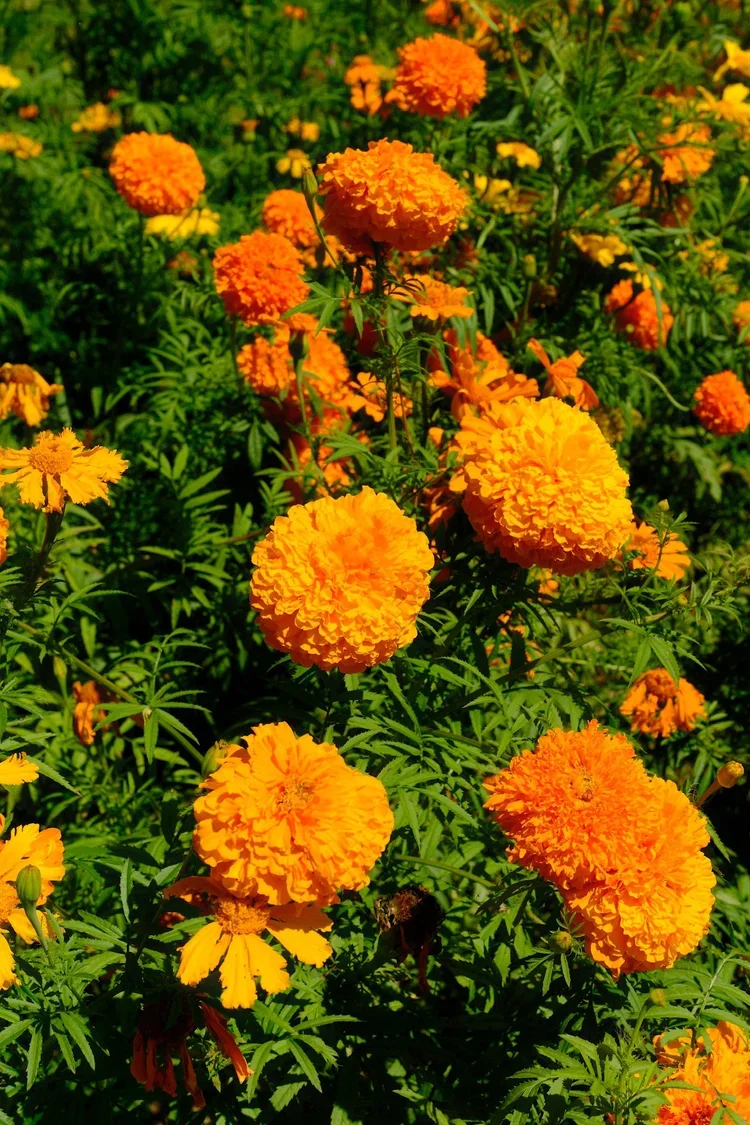
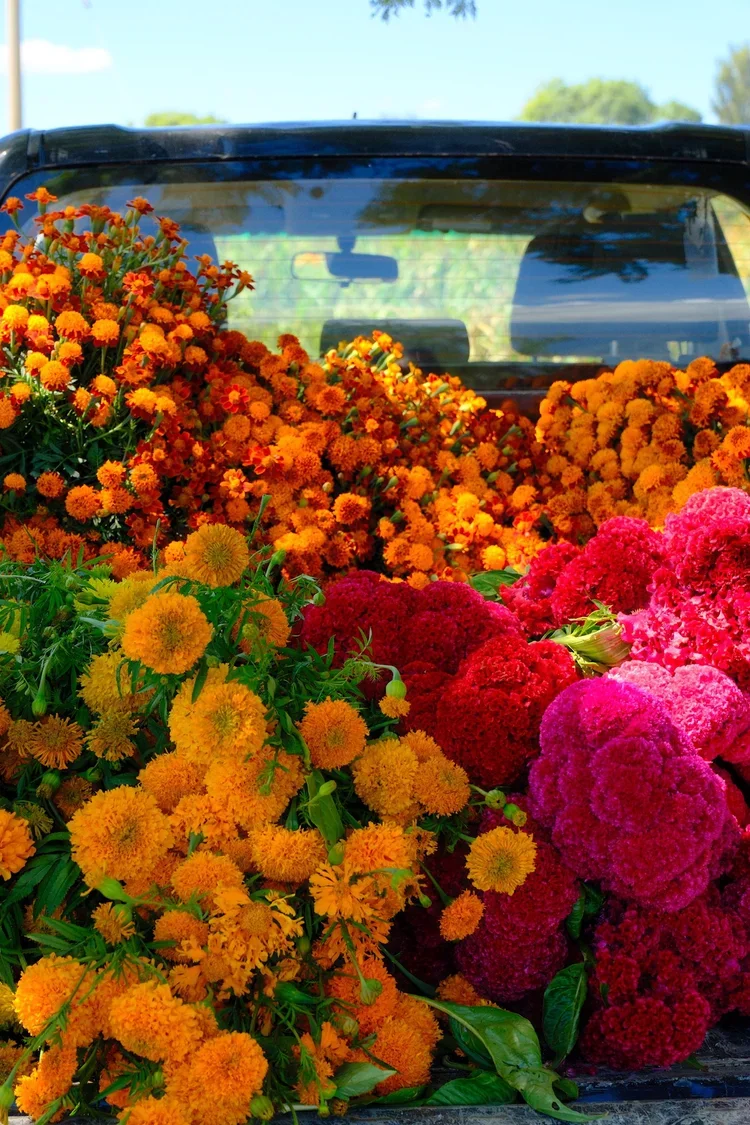
As July approaches, the fields have been turning their soil to get ready for the big transplant day that usually is around the 20th of the month. The campesinos all over Oaxaca get their family and folks to help them transplant this tiny little marigold plant. Usually and mostly the heirloom variety, also known as Cempasúchil is what everyone plants, together with some smaller marigolds with a orange and red tone besides another quite unique flower Cock's comb that is vibrant that has many names in Spanish, in Oaxaca they call it borla, in central Mexico City they call it flor de terciopelo or mano de león. These flowers will grow for the next months until the last weeks of September and beginning of October until they bloom.
During the last weeks of October plants are coming to the end of their cycle, just in time for them to throw new seeds before winter. Including the marigolds that start to bloom. Imagine a field full of them, bright yellow color all around the valley. It is truly beautiful. By the end of October, it is also what I would call, one of the biggest celebrations in Mexico: Día de Muertos.
Marigolds are fundamental during Dia de Muertos. They are used abundantly for the altars to celebrate our loved ones who have passed away. The marigold essence is an aroma that attracts the spirits. Alongside copal (an incredibly rich aroma from burning the sap of native trees) that is used to cleanse the evil spirits. The altar is decorated with flower arrangements made out of borlas, cempasúchil and the smaller marigolds offering a pathway to those loved ones.
Nowadays, Marigolds are also placed in a designed way to decorate your house, your entrance, office or school in creative ways making shapes on the floor and the altar. Any place in Oaxaca will have a generous amounts of marigolds everywhere, it is truly special.
The color of the marigold is so unique and rich that it has other applications beyond its bloom. In the Zapotec village of Teotitlan del Valle, just south east of Oaxaca city, they grind dried petals in a volcanic stone. Then use it as a dye for the wool from sheep, that is then spun into yarn and woven into rugs. The zapotecs till this day continue using natural dyes and marigold being for yellow pigment.
As years pass the evolution of marigolds has been shifting into something not so traditional, but efficient. The delicate seed of the heirloom marigolds is not resistant to many plant diseases or rough climate changes that have been happening. There has been an introduction to a Chinese variety that has been genetically engineered to be more resistant and cheaper.
For what some people believe is a great solution, for many is a loss of identity, tradition and legacy. The smell is not as potent. The heirloom seed that is been kept for so many years is decreasing in the field being planted.
Adding to the facts, that amount of growers is also decreasing, meaning less people are interested in working on the field. But there are those who still believe in this rich tradition and only grow the heirloom seed that for many generations has been passed down.
To my fortune, my neighbor and good friend Lider has been growing marigolds in his field besides corn and other heirloom seeds. Three years ago, during the Día de Muertos tour we pay a visit to his fields. We cut our own marigolds for the altar we do all together at the cooking school. And of course the people who grow it with pride. This for me is commendable. Having grown up working with my dad in his tomato field, I understand how hard it is to grow anything. Like Lider, there are many people who grow their marigolds, usually the crop is completely sold before the flowers even come to bloom.
Thankfully, I have reserved mine already. This coming October, our altar will be fragrant, abundant and beautifully yellow.